“citric acid” search results (300)

Don't let the wrong sour coffee ruin the road of China's boutique coffee.
Most of the Yejia Xuefei that can be seen on the market now are light baked, the silver skin has not fallen off, the bean surface is shrunk, not smooth, dark brown, when brewing, the bean expansion degree is almost no, the coffee liquid shows a sour and astringent feeling, the liquid does smell like lemon and similar to jasmine tea. Whether it's the coffee teacher to the students, or the barista to the
2015-07-16 No mistake coffee ruined China boutique road .
Fruit-scented sun-tanned Yega Chefevoca Coffee Variety characteristics, taste, price and flavor introduction
Yega Chuefei exudes an extremely complex aroma and shows an extremely excellent taste that is difficult to describe. In general, the dry aroma of Yega Chuefei is full of fruit, with strong aromas of dried fruit, strawberry, mango and apricot jam. Wet fragrance is like sweet syrup, like sticky apricot juice, wrapped in plain honey or chocolate. The entrance is not strong and the alcohol is thick.
2016-10-08 Fruit aroma sun Yega Sheffield Wauka coffee grinding varieties characteristics
Detailed analysis of mineral carbohydrates in coffee beans
Moisture: the water content of coffee beans varies greatly with different processing stages and products. The moisture content of wet coffee beans with film is about 50%, while that of dried raw coffee beans is about 10%-13%. The water content of roasted coffee beans is only less than 5%. The existence of water in coffee beans is the same as other kinds of food and beverages, because it contains a considerable amount of hydration colloid macromolecules.
2015-10-23 Coffee beans ingredients details analysis minerals carbohydrates moisture coffee beans
Introduction to the characteristics of the flavor and taste of sun Yega Xuefei and aricha
Sun-treated Erika G1 has more lively citrus citric acid, aromas of apricot blossoms, exploding nuts of walnuts, and subtle aromas of cinnamon, cloves, rosemary and other spices. taste with a very good honey brown sugar sweet, very soft and attractive, as if the whole body soaked in the sea in early autumn, by the cool sea
2016-10-20 Sun Yega Chevy aricha Flavor palate Variety characteristics washing
Detailed analysis of low molecular weight sugars in coffee beans
Moisture: the water content of coffee beans varies greatly with different processing stages and products. The moisture content of wet coffee beans with film is about 50%, while that of dried raw coffee beans is about 10%-13%. The water content of roasted coffee beans is only less than 5%. The existence of water in coffee beans is the same as other kinds of food and beverages, because it contains a considerable amount of hydration colloid macromolecules.
2015-09-16 Coffee beans ingredients details analysis molecular weight sugars moisture coffee beans content
An introduction to the characteristics of the coffee-flavored manor of Yega Sheffield Adoudo, Ethiopia.
Yejassefi's coffee trees were planted by European monks (a bit like Belgian monks growing wheat to brew beer) and were later transferred to farmers or cooperatives. Yejia Xuefei is actually constructed by surrounding coffee communities or cooperatives, including Edido Idido, Hafusa Harfusa, Hama Hama, Biloya, near Fog Valley Misty valley, all washed with water, but also
2016-09-12 Citric acid incense Ethiopia Yega Sheffield Duoduo coffee flavor manor
Detailed Analysis of Coffee Bean ingredients basic knowledge of Fine Coffee
Moisture: the water content of coffee beans varies greatly with different processing stages and products. The moisture content of wet coffee beans with film is about 50%, while that of dried raw coffee beans is about 10%-13%. The water content of roasted coffee beans is only less than 5%. The existence of water in coffee beans is the same as other kinds of food and beverages, because it contains a considerable amount of hydration colloid macromolecules.
2015-07-24 Coffee beans ingredients details analysis boutique coffee basics common sense moisture
The basic knowledge of coffee the taste and taste of coffee
The sensory evaluation of coffee flavor is divided into three stages: smell, taste and taste. The sense of smell of coffee refers to the sensation of olfactory organs. People smell the smell because the receptors at the nasal septum are stimulated by volatile chemicals, usually containing hydrogen, carbon, nitrogen, oxygen or sulfur. When these chemicals are forced in the form of gases
2014-09-19 Coffee knowledge coffee basics coffee taste coffee tasting
Detailed analysis of the ingredients of coffee beans general knowledge of fine coffee
Moisture: the water content of coffee beans varies greatly with different processing stages and products. The moisture content of wet coffee beans with film is about 50%, while that of dried raw coffee beans is about 10%-13%. The water content of roasted coffee beans is only less than 5%. The existence of water in coffee beans is the same as other kinds of food and beverages, because it contains a considerable amount of hydration colloid macromolecules.
2015-02-25 Coffee beans ingredients details analysis boutique coffee common sense moisture coffee beans containing
General knowledge of coffee bean baking equipment and roasting theory of coffee beans
In addition to the degree of baking is divided into factions, even the roaster also has a family view. At present, there are two major professional roasters, one is the traditional rolling furnace (Drum Roaster), and the other is the newly developed hot gas furnace (Air Roaster). The former is heated by gas across the bottom of the furnace, while the metal blades in the furnace keep stirring the beans, while the latter bakes the beans with high-temperature hot air flow.
2015-07-06 Coffee beans roasting common sense equipment and theory except for baking factions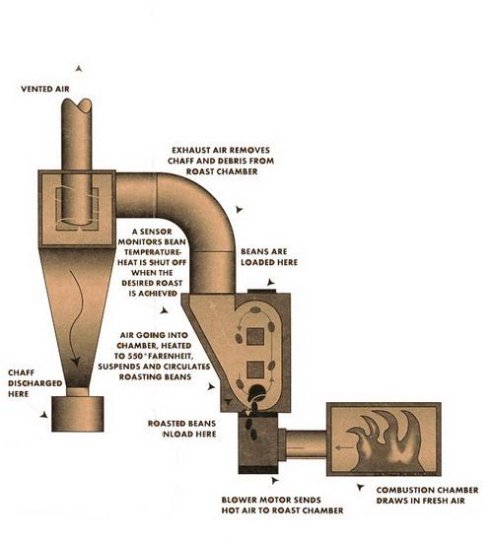
Theoretical roasting of coffee beans and the relationship between roasting and high-quality acid effect of inferior chlorogenic acid on coffee quality
In addition to the degree of baking is divided into factions, even the roaster also has a family view. At present, there are two major professional roasters, one is the traditional rolling furnace (Drum Roaster), and the other is the newly developed hot gas furnace (Air Roaster). The former is heated by gas across the bottom of the furnace, while the metal blades in the furnace keep stirring the beans, while the latter bakes the beans with high-temperature hot air flow.
2016-01-23 Coffee beans roasting theory quality relationship green coffee influence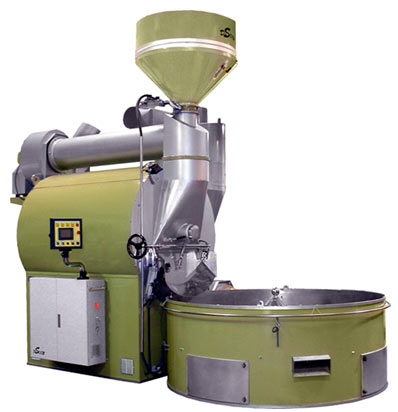
Introduction to the main points of coffee roasting knowledge: coffee bean roasting theory (3)
In addition to the degree of baking is divided into factions, even the roaster also has a family view. At present, there are two major professional roasters, one is the traditional rolling furnace (Drum Roaster), and the other is the newly developed hot gas furnace (Air Roaster). The former is heated by gas across the bottom of the furnace, while the metal blades in the furnace keep stirring the beans, while the latter bakes the beans with high-temperature hot air flow.
2015-12-16 Coffee roasting knowledge essentials introduction coffee beans theory except factions
Exquisite Ethiopian Coffee Yega Xuefei Rose Summer Coffee
Recently, the most popular Yega Xuefei is the blue Nile G1 found by Maoye. Maoye remembers that the goods arrived on August 1st. As a result, it took only half a month to place another order with Taiwan. Unfortunately, there is no more stock in Taiwan, and now there is almost nothing left in the hands of the Blue Nile Cat, which makes Maoye feel very lost.
2016-04-30 Exquisite Ethiopia Coffee Yega Sheffield producing area Rose Summer recently popular
Roasting techniques for the treatment of raw coffee beans: coffee bean roasting theory (3) detailed introduction
In addition to the degree of baking is divided into factions, even the roaster also has a family view. At present, there are two major professional roasters, one is the traditional rolling furnace (Drum Roaster), and the other is the newly developed hot gas furnace (Air Roaster). The former is heated by gas across the bottom of the furnace, while the metal blades in the furnace keep stirring the beans, while the latter bakes the beans with high-temperature hot air flow.
2015-12-18 Coffee raw beans treatment methods roasting techniques coffee beans theory details
Characteristics of Lion King Sun-flavored Coffee beans treated by Sebastian Dharma
The coffee flavor of Sidamo is very diverse, and the different soil types, microclimate and countless native coffee species make the coffee produced in each town have obvious differences and characteristics. In 2010-12, it won three consecutive high marks from coffee review 92 to 94, which shows the extraordinary value of raw beans in this area! Domestic horizontal
2016-05-05 Saio Biya Dharma Solar processing Lion King Flavor Coffee beans characteristics Da
Detailed analysis of carbohydrates in coffee beans
★ moisture: the water content of coffee beans varies greatly with different processing stages and products. The moisture content of wet coffee beans with film is about 50%, while that of dried raw coffee beans is about 10%-13%, and that of roasted coffee beans is only less than 5%. The existence of water in coffee beans is the same as other kinds of food and beverages, because it contains a considerable amount of hydration colloid macromolecules.
2015-08-25 Coffee beans ingredients details analysis carbohydrates moisture coffee beans content no
Detailed Analysis of the components of Fine Coffee
★ moisture: the water content of coffee beans varies greatly with different processing stages and products. The moisture content of wet coffee beans with film is about 50%, while that of dried raw coffee beans is about 10%-13%, and that of roasted coffee beans is only less than 5%. The existence of water in coffee beans is the same as other kinds of food and beverages, because it contains a considerable amount of hydration colloid macromolecules.
2014-12-24 Boutique coffee common sense coffee beans ingredients details analysis moisture containing
Detailed Analysis of the components of Fine Coffee Bean
★ moisture: the water content of coffee beans varies greatly with different processing stages and products. The moisture content of wet coffee beans with film is about 50%, while that of dried raw coffee beans is about 10%-13%, and that of roasted coffee beans is only less than 5%. The existence of water in coffee beans is the same as other kinds of food and beverages, because it contains a considerable amount of hydration colloid macromolecules.
2014-11-18 Coffee knowledge boutique coffee coffee basics common sense coffee ingredients
Characteristics of Cochel Manor Coffee Flavor Manor in Yega Xuefei Coffee producing area of Ethiopia
The cool and foggy mountain stream village in the Yega Chuefei producing area is cool and foggy all the year round, with a gentle breeze in summer, cool but not hot, rain but not damp, and no cold damage in winter, making it the best environment for planting Arabica. There are no large coffee plantations. Coffee farmers grow coffee mixed with other crops, usually under banana trees, to form a unique landscape flavor water.
2016-08-09 Ethiopia Yega Sheffield Coffee producing area Cochi Manor Flavor Taste
"Coffee roaster companion" the chemical substances of raw beans the structure and changes of coffee beans
Chapter 2: chemical substances of raw beans author: Scott Rao translator: Huaxia coffee raw beans are strong and green seeds, 50% of which are different forms of carbohydrates, and the other 50% are composed of water, proteins, lipids, acids, and various biological bases. Coffee roasters can bake good coffee without knowing the many chemicals in raw beans, but
2016-04-28 Coffee roaster companions raw beans chemicals substances coffee beans institutions changes chapter 2